Why is my air fryer blowing smoke? This question often appears when grease, crumbs, or cooking residue reaches the hot heating element. A small puff may come from fatty foods, such as bacon, sausages, or chicken wings. Thick grease can drip into the pan, heat quickly, and create visible smoke. It can also leave a sharp, burnt smell inside the kitchen.
The solution starts with careful observation. Turn off the air fryer and let it cool completely. Then inspect the basket, drawer, and heating area for stuck food or dark grease. A soft brush and warm, soapy water usually remove residue without damaging the coating. Never pour water into the appliance itself. Check the manufacturer’s cleaning instructions, because designs and safe methods vary.
Food placement matters too. Overcrowding blocks airflow and may push grease toward the heater. Excess oil can do the same. Use only a light coating, and choose temperatures suitable for the ingredients. Some foods still smoke at high heat, even when the fryer seems clean. A slice of bread under fatty food can sometimes absorb drippings, but this depends on the model and its instructions.
This guide explains how to stop your air fryer from blowing smoke, while separating harmless cooking vapor from warning signs. Persistent smoke, burning plastic odors, sparks, or damaged cords require caution. Stop using the appliance and seek qualified service advice. I have found that rushed cleaning is often the real problem. It is easy to miss the thin grease film.
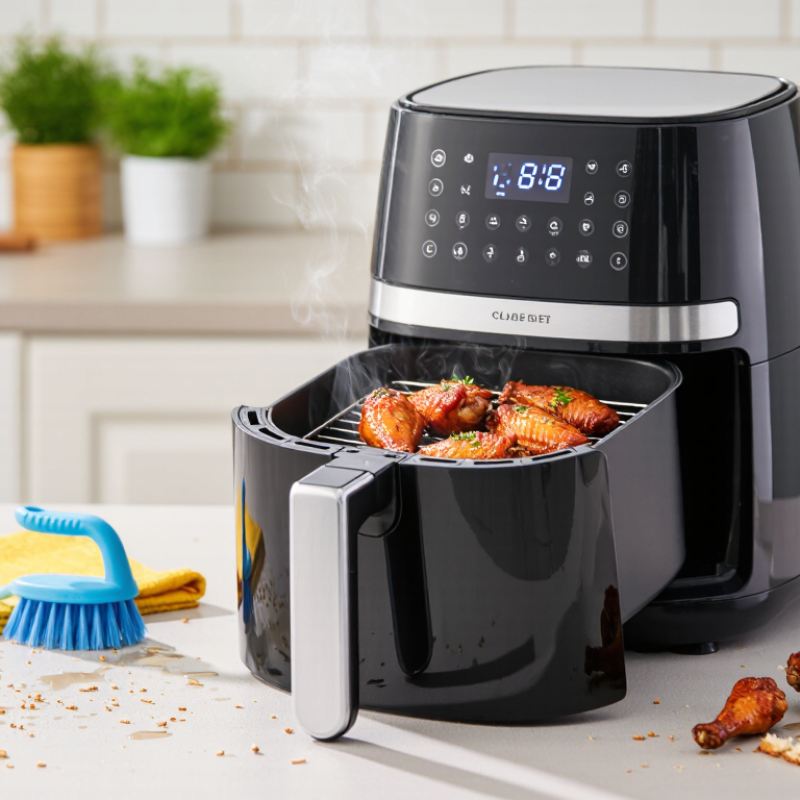
When an air fryer suddenly smokes, identify the smoke before trying to stop it. Thin white vapor may be steam from wet food. Blue-gray smoke usually suggests burning oil, grease, or residue. I once mistook steam for smoke and lowered the temperature unnecessarily. That made the vegetables soft, not safer. Look at the color, smell, and timing. Smoke appearing after fatty food often points to drippings heating below the basket. A sharp plastic or electrical smell requires immediate attention.
Switch off and unplug the appliance when it is safe to do so. Let it cool fully before checking anything. Inspect the drawer, basket, and heating area for crumbs, pooled grease, or loose packaging fragments. Grease can hide beneath the basket and burn near the heating element. Clean removable parts with warm water and mild detergent, then dry them completely. Never pour water into the appliance body. Check the cord and plug for melting, scorch marks, or unusual heat. Stop using it if any appear.
Overfilling can push food close to the upper element, where breadcrumbs and cheese may burn quickly. Very fatty cuts can also drip more oil than the drawer holds. Reduce the amount, trim excess fat, and keep food below the recommended fill line. Avoid lightweight paper unless food holds it securely and the material suits the cooking temperature. Test the fryer with a small portion while watching closely. If smoke returns after cleaning, or comes from inside the housing, seek qualified service. My mistake was assuming every smoke problem came from grease. It did not.
Excess grease is a common reason an air fryer suddenly smokes. Fat drips onto the lower pan, overheats, and creates a sharp, burnt smell. NFPA’s Home Cooking Fires report estimates 167,800 home cooking fires annually in the United States from 2017 to 2021. Grease and unattended cooking remain important safety concerns.
Unplug the appliance and let it cool completely. Remove the basket, tray, and cooking chamber parts. Soak them in warm water with mild dish soap, then scrub away sticky residue with a soft brush. Wipe the chamber’s ceiling and walls carefully. A damp microfiber cloth works well. Do not block the heating element with water or loose debris. I once cleaned the basket but ignored the upper chamber. The smoke returned during the next batch. That mistake changed my routine.
Tips: Check the lower pan after every greasy meal. Wipe visible oil before it hardens. For stubborn spots, use a soft paste of baking soda and water, if the manufacturer permits it. Avoid metal tools and harsh chemicals. Inspect the heating area for crumbs before cooking again. A small amount of smoke can still appear when old grease remains. If smoke continues after thorough cleaning, stop using the appliance and arrange a qualified inspection.
Smoke usually starts with the food, not the air fryer. Fatty bacon, sausages, and chicken skin can drip onto a hot surface and produce thick smoke. Wet batter can also splatter and burn. Choose lightly coated foods, or remove excess oil before cooking. I use about one teaspoon of oil for a small basket, then check the food early. Too much oil is a common mistake.
Temperature matters. Start around 180°C (350°F) for fatty foods, rather than using maximum heat. Lower heat gives grease fewer chances to scorch. Keep the basket below its fill line, and leave space around each piece. Crowding traps moisture and encourages uneven cooking. Cooking times vary with food size, basket design, and starting temperature. Check five minutes earlier than the recipe suggests. I still get this wrong sometimes.
Food safety cannot be traded for less smoke. The USDA recommends 74°C (165°F) for poultry, 71°C (160°F) for ground meats, and 63°C (145°F) for whole cuts of meat, followed by a three-minute rest. Use a food thermometer, not color alone. NFPA’s analysis of 2016–2020 home fires found cooking equipment caused an estimated 167,800 home structure fires annually in the United States. Stay nearby, keep the appliance on a stable heat-resistant surface, and stop cooking if smoke increases suddenly. A slightly shorter batch is safer than rescuing burnt grease.
| Food or Situation | Recommended Preparation | Suggested Temperature | Typical Cooking Time | Smoke-Reduction Practice | Doneness or Safety Check |
|---|---|---|---|---|---|
| Fresh vegetables | Pat dry and toss lightly with oil; avoid excess oil pooling in the basket. | 175°C / 350°F | 10–18 minutes | Shake halfway through cooking and keep food in a single, loose layer. | Vegetables should be tender with lightly browned edges. |
| Frozen vegetables | Cook from frozen and remove loose ice crystals if there is heavy surface frost. | 190°C / 375°F | 10–16 minutes | Do not overcrowd; excess moisture can cause splattering and uneven cooking. | Food should be steaming hot throughout and evenly tender. |
| Potatoes and fries | Rinse or soak cut potatoes, then dry thoroughly before adding a small amount of oil. | 190–205°C / 375–400°F | 18–30 minutes | Drying removes surface moisture and helps prevent oil and starch from smoking. | Turn or shake several times; the thickest pieces should be soft inside. |
| Chicken breast | Trim excess skin and fat; pat the surface dry and use only a thin oil coating. | 190°C / 375°F | 18–25 minutes | Place fatty or skin-on pieces in a clean basket and avoid adding excess marinade. | Measure at least 74°C / 165°F in the thickest part. |
| Chicken wings | Pat dry and trim large loose pieces of skin or visible fat. | 190°C / 375°F | 22–30 minutes | Drain rendered fat if the appliance permits; avoid sugary sauce until the final minutes. | Reach at least 74°C / 165°F and ensure the skin is crisp and the meat is no longer pink. |
| Bacon and other fatty foods | Use short batches with evenly sized pieces; do not fill the basket with overlapping strips. | 160–175°C / 320–350°F | 8–15 minutes | Lower heat reduces the chance of rendered fat reaching its smoke point; empty collected grease between batches. | Cook until the desired texture is reached and handle hot grease carefully. |
| Sausages | Use fresh or thawed sausages and avoid piercing them unless the recipe specifically requires it. | 175–190°C / 350–375°F | 12–20 minutes | Turn halfway and remove excess grease before starting another batch. | Ground-meat sausages should reach 71°C / 160°F; poultry sausages should reach 74°C / 165°F. |
| Fish fillets | Pat dry, brush lightly with oil, and use a crumb coating sparingly. | 180°C / 350°F | 8–14 minutes | Avoid wet batter, which can drip onto the heating element and create smoke. | Fish should flake easily; a safe internal temperature is 63°C / 145°F. |
| Wet batter | Use a dry breading or a firm coating instead of loose liquid batter. | Not recommended | Use a dry-coated recipe | Liquid batter can drip through the basket, splatter, burn, and smoke. | Follow the recipe’s food-safety temperature and texture requirements. |
| Sugary sauces and marinades | Apply barbecue sauce, honey, or other sugary glaze during the final 2–5 minutes. | 160–180°C / 320–350°F | Add glaze near the end | Sugar can caramelize quickly and burn at high temperatures. | Glaze should be set and browned, not blackened or producing persistent smoke. |
| Overfilled basket | Arrange food in a single layer with space around larger pieces. | Use the recipe setting | May require additional batches | Overcrowding traps moisture, increases cooking time, and encourages grease buildup. | Food should cook evenly without raw or cold centers. |
| Dirty basket or grease tray | Allow the appliance to cool, then remove baked-on food and grease according to its instructions. | Before next use | Clean after each greasy meal | Old grease and crumbs can smoke when reheated, especially at high temperatures. | All parts should be dry and free of flammable food residue before cooking. |
| Persistent or heavy smoke | Stop the appliance, unplug it if safe, and keep the drawer closed until the situation is controlled. | Do not continue cooking | Inspect before reuse | Never pour water onto an electrical appliance or a grease fire. Move outdoors only if it can be done safely. | If flames continue or smoke is severe, leave the area and contact emergency services. |
Smoke often starts with poor airflow, not a serious appliance failure. Place the basket fully inside its cooking chamber. It should sit level, without touching the heating element or blocking the upper vents. A tilted basket can push grease toward the hot coil, creating sudden smoke.
Keep the air fryer on a firm, heat-resistant surface. Leave open space around every ventilation outlet, especially behind and above the unit. Do not operate it beneath a low cabinet or against a wall. Hot air needs a clear path to escape. Open a nearby window or use an exhaust fan, but avoid directing strong drafts into the appliance. I once placed mine too close to a backsplash, and the trapped heat made the room noticeably smoky.
Tips: Wipe grease from the basket and drawer after each use. Remove loose crumbs before cooking. Avoid overfilling the basket, because crowded food releases more moisture and fat. For bacon, sausages, or other fatty foods, check the drawer halfway through cooking. If grease collects heavily, pause the appliance and let it cool before cleaning. A small amount of smoke can still occur with very fatty food. That is normal, but persistent smoke deserves attention. I used to assume more ventilation solved everything; it did not. Correct basket placement mattered just as much.
Smoke is not always a crisis, but persistent smoke deserves serious attention. I once saw a fryer produce a thin blue haze after grease collected near the heating element. The odor returned even after cleaning. That was a warning, not normal seasoning.
Unplug the appliance and let it cool completely. Inspect the basket, drawer, heating coil, fan opening, power cord, and plug. Look for melted plastic, dark scorch marks, cracked insulation, loose parts, or grease beneath the heating chamber. Do not operate it if the cord feels hot or the outlet shows discoloration.
NFPA’s Home Cooking Fires report estimates an annual average of 158,400 home cooking fires in the United States from 2017 to 2021.
Cooking equipment also caused about 470 civilian deaths and 3,000 injuries each year.
An air fryer is smaller, but heat and electricity still require respect.
Tips:
Excess grease may drip onto a hot lower pan and burn. Fatty foods can create thick smoke quickly.
Unplug the appliance and let it cool completely. Remove the basket and tray. Soak them in warm, soapy water. Wipe the chamber walls and ceiling with a damp microfiber cloth. Keep water away from the heating element.
Check the upper chamber, not only the basket. Old grease can hide above the food area. I once missed that spot. Smoke returned during the next batch.
Bacon, sausages, chicken skin, and heavily oiled foods may drip fat onto hot surfaces. Wet batter can splatter and burn. Remove extra oil before cooking.
Try about 180°C (350°F) instead of maximum heat. Lower heat gives grease fewer chances to scorch. Cooking too gently may affect texture, though.
Keep food below the fill line. Leave space around each piece for airflow. Crowded food traps moisture and releases uneven fat. I still overfill sometimes.
Use a firm, heat-resistant surface. Leave open space around the vents, especially above and behind the appliance. Do not place it beneath a low cabinet or against a wall.
Open a nearby window or use an exhaust fan. Do not aim a strong draft directly into the appliance. Ventilation helps, but correct basket placement matters too.
Stop cooking and unplug the appliance when safe. Let it cool before checking for grease or crumbs. Do not continue a smoky batch. If smoke persists after thorough cleaning, arrange a qualified inspection.
Use a food thermometer, not color alone. Poultry should reach 74°C (165°F). Ground meats need 71°C (160°F). Whole cuts need 63°C (145°F), followed by a three-minute rest. A shorter batch is safer than burnt grease.
If you are wondering, “Why is my air fryer blowing smoke,” begin by identifying the source. Smoke often comes from excess grease, food residue, or crumbs left in the cooking chamber, basket, or heating area. Turn off and unplug the appliance, allow it to cool completely, then clean removable parts and carefully wipe away buildup without damaging the heating element. Avoid overfilling the basket, and choose foods, temperatures, and cooking times that match the appliance’s instructions. Very fatty foods may release oil that reaches hot surfaces and creates smoke, so removing excess fat or adding a small amount of water beneath the basket may help when appropriate.
Correct basket placement and good ventilation are also important. Make sure the basket is seated properly, the air vents are clear, and the appliance has sufficient space around it. If smoke continues after cleaning, or if you notice unusual odors, sparking, damaged cords, or malfunctioning controls, stop using the air fryer and arrange a professional inspection or replacement.

K-Mama Cook