Dehydrating fruit at home has become increasingly popular. Many people are curious about various methods. A common question arises: "Can you dehydrate fruit in a multifunctional oven?" This question highlights the versatility of modern kitchen appliances. Multifunctional ovens can bake, roast, and even dehydrate foods.
However, using an oven for dehydration is not straightforward. Proper temperature control is crucial. Many models lack precise settings for low temperatures, which are ideal for fruit drying. The process may take longer than expected and could result in inconsistencies in texture. Some fruits retain more moisture than others, impacting the final product.
If you're considering this method, it's essential to research and test different fruits and settings. Keep an eye on your fruit during the process. It may require adjustments to achieve the desired dryness. Understanding your specific oven's capabilities is vital. With careful attention, you could enjoy delicious, homemade dried fruit from your multifunctional oven.
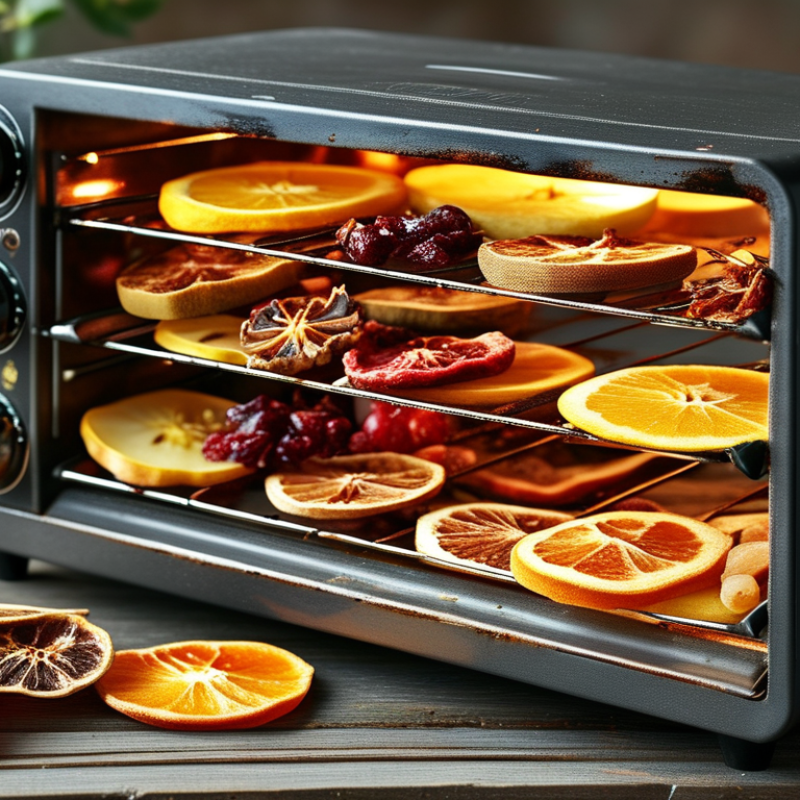
Multifunction ovens have gained popularity due to their versatility. According to the Association for Home Appliance Manufacturers, over 30% of households now own a multifunction oven. These appliances combine various cooking methods, including baking, roasting, and dehydrating. This versatility allows users to experiment with different cooking techniques, but some find it challenging to achieve optimal results.
Dehydrating fruit in these ovens can lead to varying outcomes. The process typically requires low temperatures and controlled airflow, which multifunction ovens can provide. A study by the Food Processing Institute highlighted that maintaining a temperature around 135°F effectively removes moisture from fruit while preserving flavor and nutrients. However, achieving consistent results may require adjustments in timing and settings based on the fruit type. Users often report uneven drying, prompting the need for a trial-and-error approach to perfect the technique.
Despite their capabilities, multifunction ovens may not replace dedicated dehydrators for all users. The effectiveness can vary based on the oven's design and features. Some users have noted that the space may not allow for even airflow when dehydrating larger batches. This drawback suggests a need for careful placement and possibly smaller loads. As with any cooking method, mastering fruit dehydration in a multifunction oven often comes down to experience and practice.
| Fruit | Dehydration Time (Hours) | Temperature (°F) | Moisture Content (% Before) | Moisture Content (% After) |
|---|---|---|---|---|
| Apple | 6-8 | 135 | 85 | 15 |
| Banana | 8-10 | 135 | 75 | 10 |
| Strawberry | 6-8 | 130 | 90 | 15 |
| Peach | 8-10 | 135 | 80 | 20 |
| Mango | 8-12 | 135 | 85 | 10 |
: Multifunction ovens combine various cooking methods like baking, roasting, and dehydrating. They offer versatility in meal preparation.
Consistent results often require adjusting timing and settings based on the fruit type. Experimenting is key to improvement.
Fresh, ripe apples, bananas, and berries are great choices for dehydration. They provide good flavor and texture.
Wash fruits thoroughly, cut them into uniform slices, and consider soaking them in lemon juice to prevent browning.
A temperature around 135°F (57°C) is ideal for dehydrating fruits. Keeping it low helps preserve nutrients.
Proper air circulation helps ensure even drying. Avoid overlapping fruit pieces on the baking sheet for the best results.
Dehydration can take several hours. Keep an eye on the fruits; they should be pliable and not sticky when done.
If you notice uneven drying, consider adjusting the oven temperature or rearranging fruit pieces for better airflow.
Use airtight containers to keep dehydrated fruit fresh and maintain its texture. Proper storage extends shelf life.
Users often find trial-and-error necessary for perfect results. Some ovens may not provide even airflow for larger batches.
The article titled "Can You Dehydrate Fruit in a Multifunction Oven Efficiently?" explores the capabilities of multifunction ovens and their effectiveness in fruit dehydration. It begins by explaining how these ovens function, highlighting their versatility in cooking and dehydrating. The article delves into the science of dehydrating fruits, emphasizing the importance of moisture removal to preserve quality and flavor.
Next, it provides a detailed guide on preparing fruits for dehydration, followed by a step-by-step process for using a multifunction oven to achieve optimal results. Tips for maintaining the quality and flavor of dried fruits are also shared, ensuring that readers can enjoy nutritious and delicious snacks. Overall, the article serves as a comprehensive resource for anyone interested in the question, "Can you dehydrate fruit in a multifunctional oven," while encouraging home cooks to make the most of their kitchen appliances.

 K-Mama Cook